Water damage in Lithia Springs: what to do before the first call
Carpet that squelches, a pipe that split, a ceiling with a brown stain, a drain that backed up: describe it to a local contractor and find out whether your street in Lithia Springs, Douglasville or Winston is covered. Call (678) 940-9083.
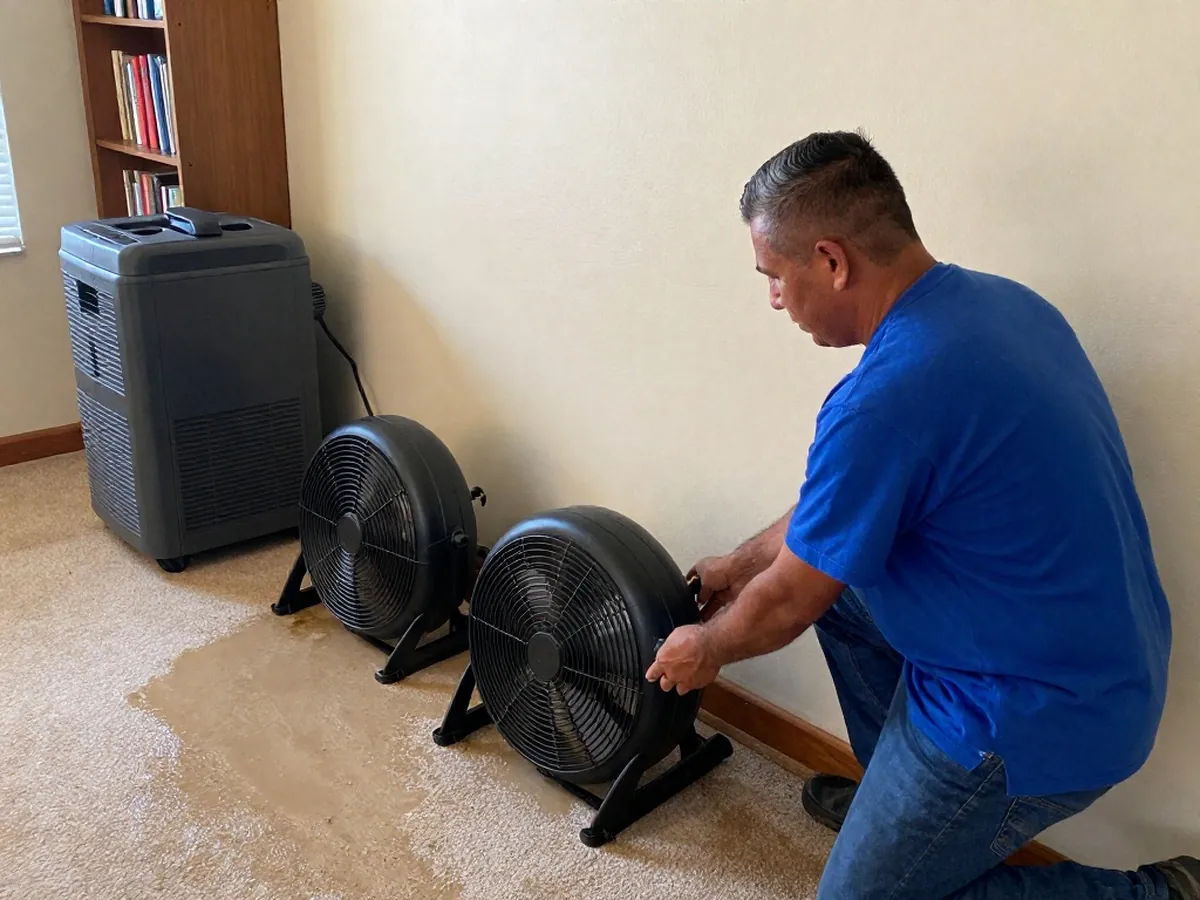
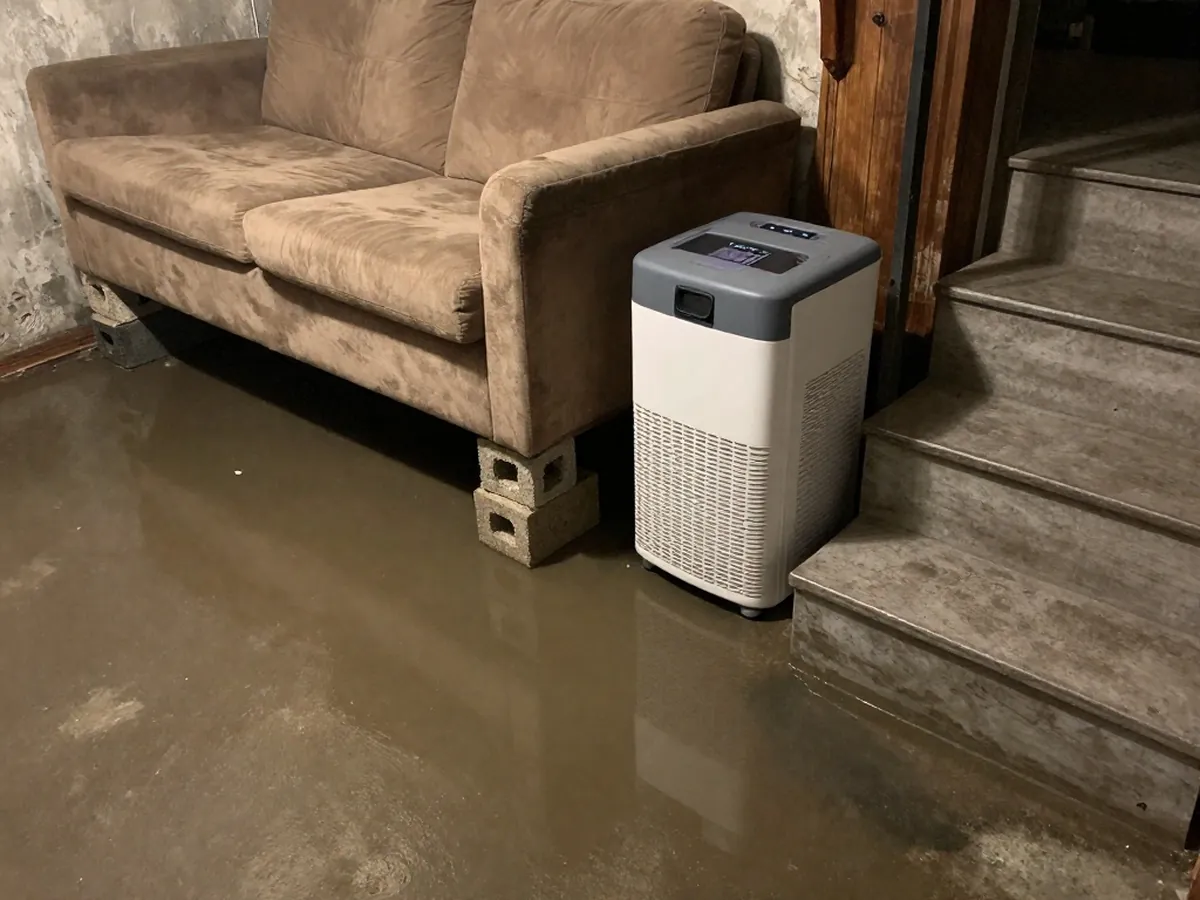
About the picture at the top. The scene above is a rendered picture, not a photograph of a real job or of a home in Lithia Springs. It shows a technician in a royal blue work shirt placing air movers along a living room wall beside a dehumidifier, with wet beige carpet pulled back to show the pad and the damp baseboards. The EPA's brief guide attaches a 24-to-48-hour mark to wet areas and belongings.
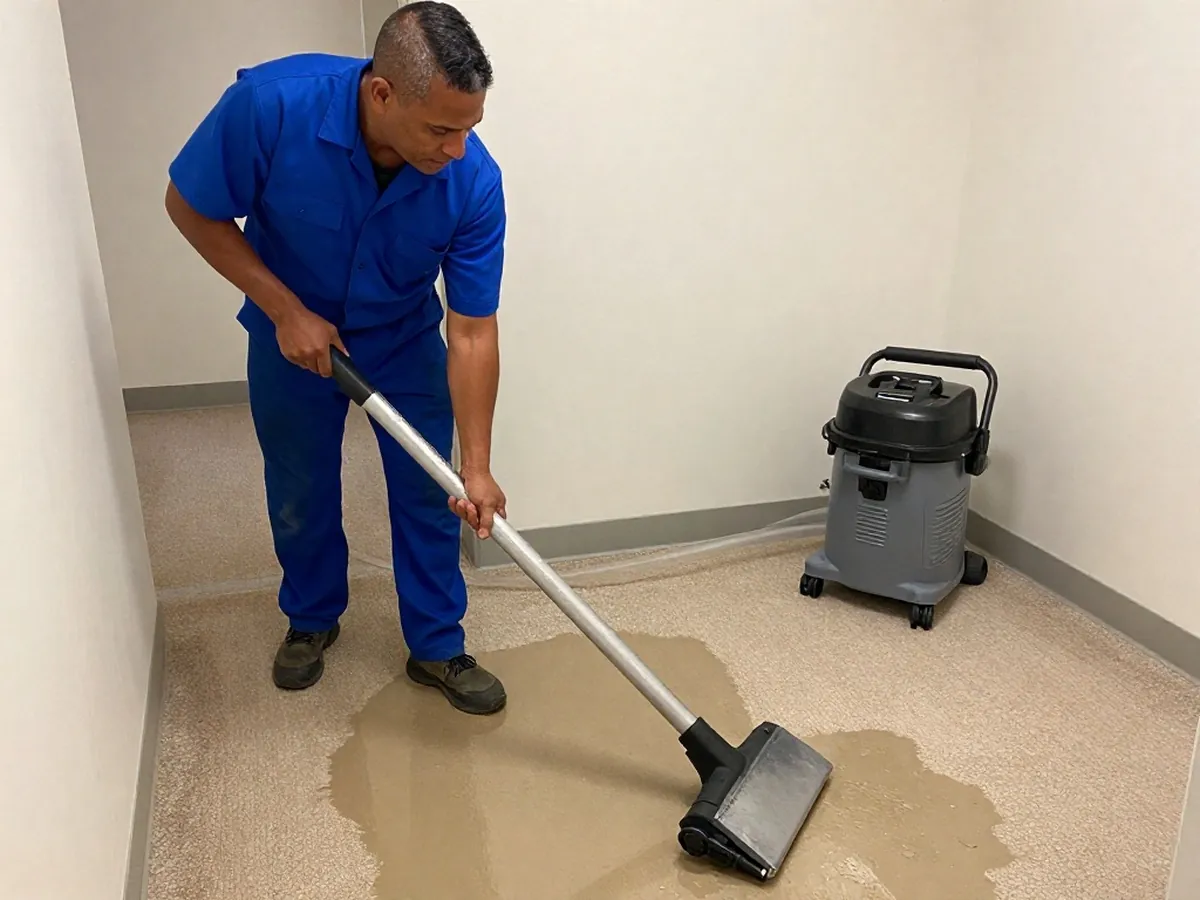
Soaked carpet
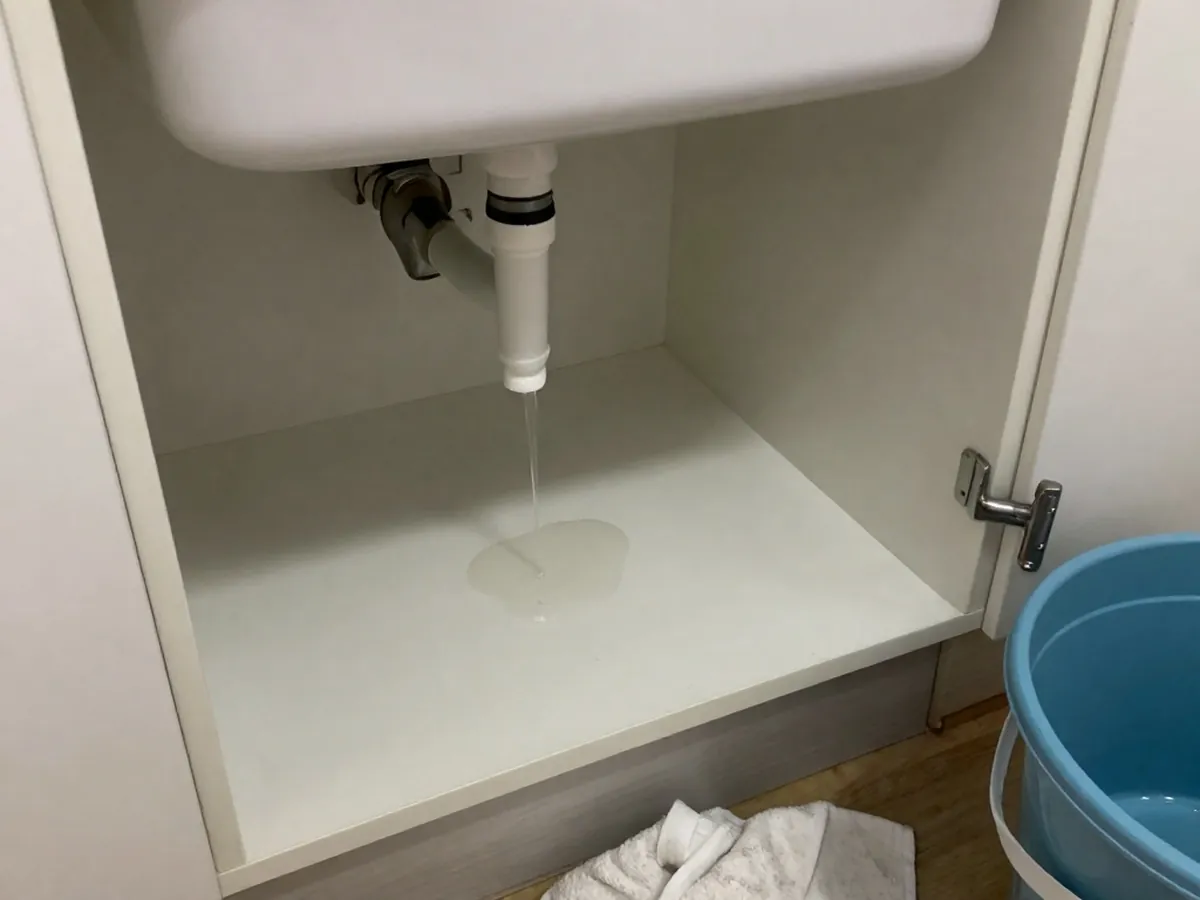
Split pipes
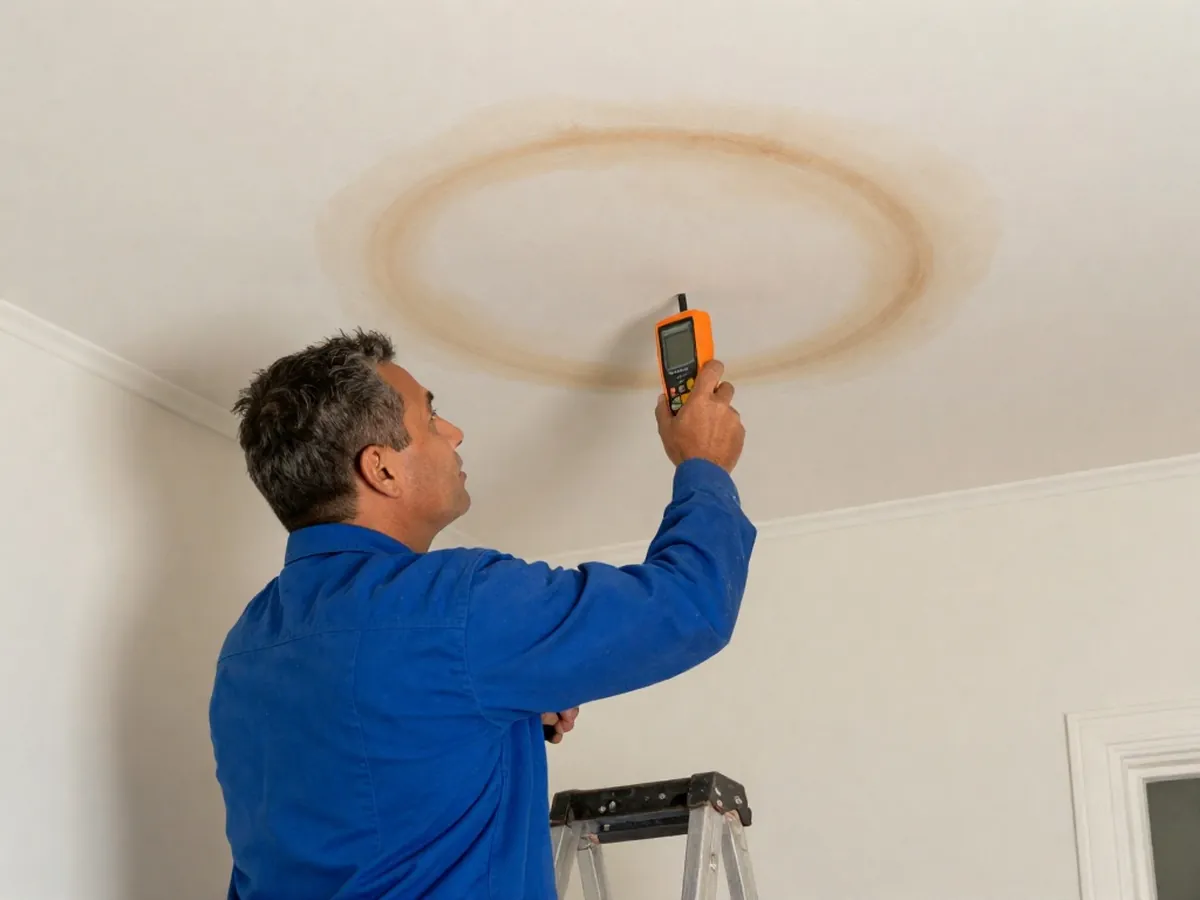
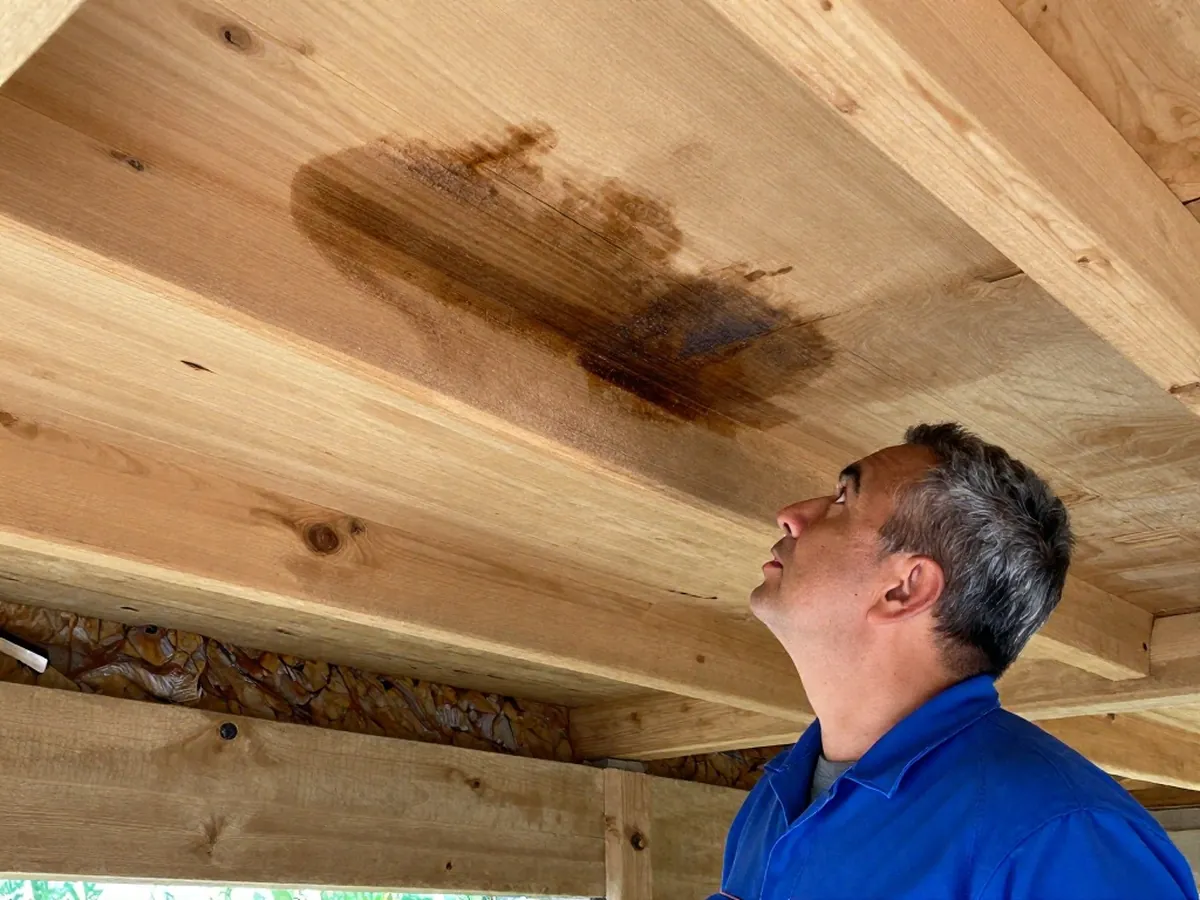
Sagging ceilings
Backed-up drains
Lithia Springs, Douglasville, Winston
Ready to describe it?
Before you dial, grade the water
Grade the water from 1 to 10 first; the second answer below says what each grade means. At 7 or lower, call (678) 940-9083 with the street address, your community, the wet room and the place it seems to be coming from. Photos can follow later, and the first call does not need them.
Get clear of it first, and call 911 or the utility.
What makes a job larger or smaller
Why one wet room is more work than the next
Five things change the size of a job, according to the cited pages: how far the water spread; whether any came up through a drain; whether the wet materials are porous; whether the air conditioning system was reached; how long everything stayed wet. The EPA sets about 10 square feet as the household limit for mold.
One lesson, wet materials compared, walks through those questions one material at a time. A contractor looks at the room before saying anything about the size of the job.
Three answers to read first while the room is still wet
Who picks up the phone, and what do they want to know?
A local contractor picks up, and the first questions are plain ones: the street address, which community you are in, which room is wet, how the water got in and whether it has stopped. Photos can wait until later in the conversation. From there the contractor can say whether a visit fits your address.
Grade the water from 1 to 10: where does yours land?
8 to 10: water touching outlets, cords or the panel, gas in the air, sewage inside, or a ceiling that bulges or sags. Get clear of it first, and call 911 or the utility; this site's number is the wrong call at that grade. 4 to 7: water that keeps spreading, or drywall and carpet already soaked, so arrange a contractor visit this week. 1 to 3: a dried spill or a slow drip, which the checks on the matching water page cover.
What do I photograph, and will insurance pay?
Georgia's insurance office advises taking images or recordings of the damage before temporary repairs, keeping receipts, and keeping damaged property for the adjuster. It cautions that a claim can be turned down when permanent repairs are finished before the damage has been looked at. Only the insurer decides what a policy pays. Georgia's emergency agency adds that flood is left out of a standard homeowners policy.
Eight kinds of wet, and the page that fits each one
Soaked floors, split pipes, stained ceilings, a lower level under water, sewage, dark spots, appliance leaks and storm water, for Lithia Springs, Douglasville and Winston.
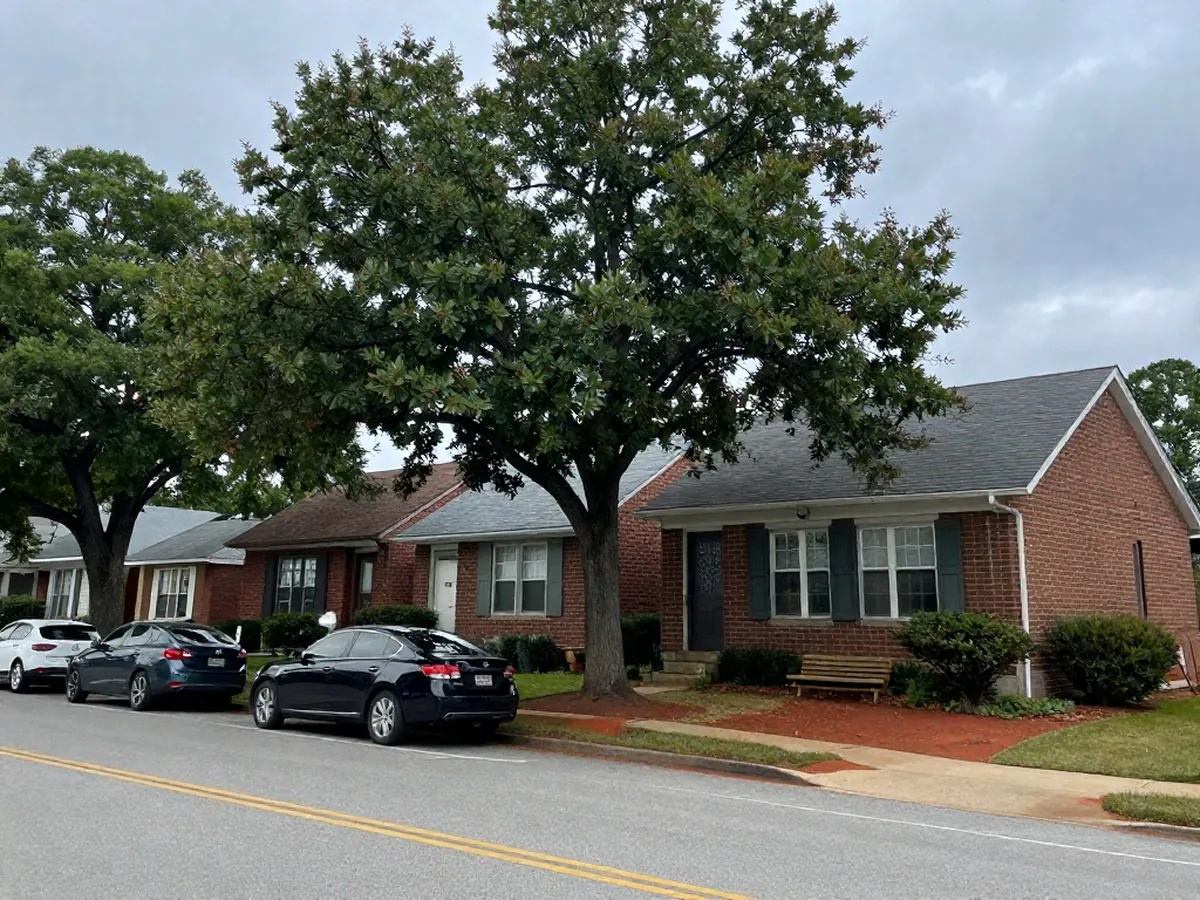
Lithia Springs street of brick-front homes under big shade trees
Three communities
Three communities, one service area
Lithia Springs. Unincorporated Douglas County since the city charter was dissolved in 2000, with Sweetwater Creek running through its eastern part. Lithia Springs notes cover the creek, the pipes and the houses.
Douglasville. The county seat, founded in 1874 with the railroad and sitting about a mile and a half north of Interstate 20. Douglasville notes explain who owns which pipe, city or county.
Winston. Unincorporated, with a charter repealed in 1995, and, by Wikipedia's account, the site of the 200-acre Clinton Nature Preserve. Winston notes cover the utilities and the older housing.
The year in water
A year of water in Douglas County
Time of year
Winter
What the sources record
Atlanta's low reached 16 degrees on 1 February 2026, says the National Weather Service
Worth looking at
Outdoor spigots and pipes in crawl spaces; Gwinnett County's water office draws its line at 32 degrees
Spring
What the sources record
Georgia's emergency agency lists tornado outbreaks in March 2007 and March 2008
Worth looking at
The roof, the attic and ceilings below them
Summer
What the sources record
Hurricane season opens June 1, says the National Hurricane Center
Worth looking at
The air conditioner's drip pan and drain line, which the EPA advises keeping clear
Autumn
What the sources record
Hurricane season peaks on September 10 and ends November 30; in September 2009 the Sweetwater Creek basin rose to the 500-year flood level, says the National Weather Service
Worth looking at
Lower levels, crawl spaces and the ground around the foundation
Keep it or replace it
What stays and what goes after a soaking
Material
Keeping it is likelier when
Removal is likelier when
Hard surfaces
They wash with soap and water and dry completely
Sewage or contaminated water reached them
Carpet and pad
They are dry before the EPA's 24-to-48-hour mark
Mold sets in, which the EPA says can send porous materials to the trash
Drywall and wall coverings
A contractor's readings show them dry
Floodwater touched them; the CDC lists drywall and wall coverings among items to throw away
Ceiling tiles
They dry out and show no mold
Mold has set into the tile
For one wall in one house, the contractor with the moisture meter makes the call.
Gather the street address, the name of the wet room and some phone photos. Renting? The landlord or property manager hears first. Then call (678) 940-9083 to ask if a contractor covers Lithia Springs, Douglasville or Winston.